Underlying Factors to Thyroid Health
by Dr. Andy Swanson
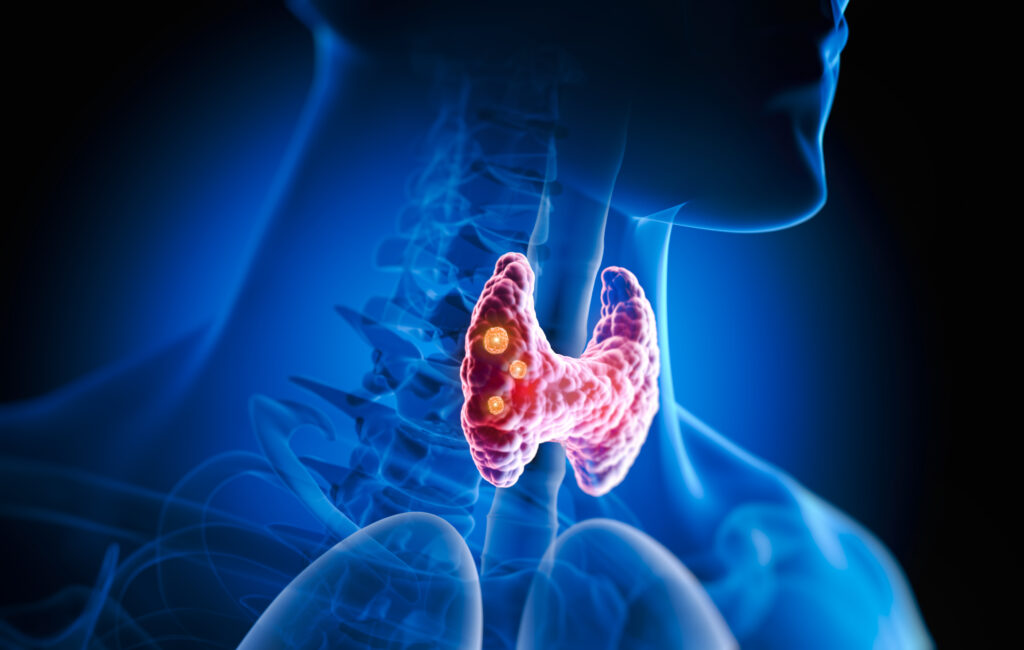
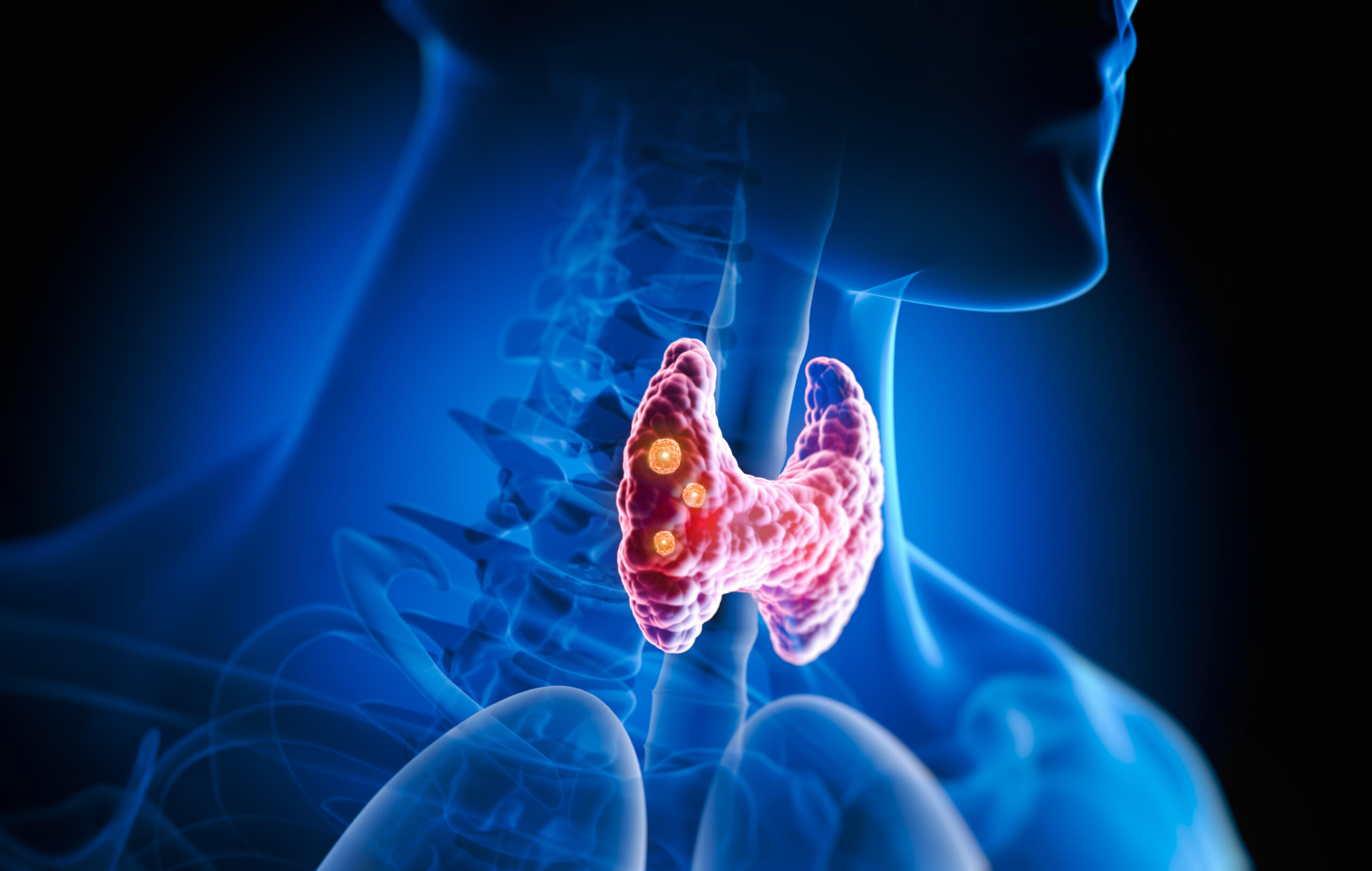
Think of the thyroid as an accelerator for your body. Apply too much gas, and the system can become overstimulated, resulting in overactivity, or hyperthyroidism. Without enough acceleration, the system may stall, resulting in underactivity, or hypothyroidism. At the cellular level, thyroid hormone activates energy production and therefore influences the health of every cell in the body. We rely on balanced thyroid function for brain health, digestion, cardiovascular fitness, liver function, and hormonal balance. Likewise, the thyroid gland itself is highly influenced by multiple physiological systems working in concert.
Understanding these underlying contributors is essential when evaluating thyroid disorders.
Immune Dysregulation
A large percentage of thyroid disease—particularly hypothyroidism—is related to autoimmune conditions such as Hashimoto’s thyroiditis. In autoimmune disease, the immune system mistakenly targets the body’s own tissues. In Hashimoto’s, immune activity is directed toward thyroid tissue, gradually impairing its ability to produce hormones.
Research and clinical observation suggest that many individuals with Hashimoto’s thyroiditis exhibit Th1 dominance, meaning the immune system tends toward inflammatory activity. Similar immune patterns are seen in conditions such as multiple sclerosis, type 1 diabetes, and chronic viral infections. When immune signaling becomes dysregulated, chronic inflammation can develop, resulting in autoimmune activity directed at the thyroid.
Blood Sugar Regulation
Thyroid hormone passes freely into the cell and has direct impacts on DNA activation, glucose (sugar) uptake, and mitochondrial energy production. This interaction becomes particularly relevant in conditions such as diabetes, where cells become resistant to blood sugar.
Low thyroid function can aggravate metabolic disorders by slowing glucose transport into cells and altering cellular energy production. Conversely, chronically elevated blood sugar places additional stress on the thyroid gland. Over time this metabolic strain may enhance autoimmune activity, promote the growth of thyroid nodules, and reduce the conversion of T4 (inactive thyroid hormone) to T3 (active thyroid hormone).
The Gut–Thyroid Connection
The digestive system is another key factor in thyroid health. The gut microbiome participates in numerous metabolic and immune processes that influence thyroid physiology.
Approximately 20% of the conversion of thyroid hormone T4 into its active form T3 occurs through healthy gut bacteria. When the microbiome becomes compromised, this conversion process may be less efficient, resulting in lower levels of active hormone.
Diet also plays an important role in regulating inflammatory processes throughout the body. Gluten sensitivity, in particular, has been widely studied in relation to autoimmune thyroid disease.
The liver further contributes to thyroid hormone activation through biochemical detoxification pathways involved in hormone metabolism. When liver function is impaired, conversion of T4 (inactive) to T3 (active) hormone may decline. This helps explain why hypothyroidism is commonly observed in individuals with chronic liver stress, including alcoholism.
Iodine Balance
Iodine is a fundamental nutrient required for the production of thyroid hormones. However, the relationship between iodine intake and thyroid health is complex.
While iodine deficiency can impair thyroid hormone production, excessive iodine intake may stimulate immune activity against thyroid tissue in susceptible individuals. High iodine exposure has been associated with increased thyroid antibody activity in certain autoimmune conditions. Because iodine interacts directly with enzymes involved in thyroid hormone production, maintaining appropriate balance is essential for thyroid physiology.
Environmental Toxicity
Environmental exposures can also influence thyroid function. Heavy metals— particularly mercury, lead, and cadmium—have been shown to create oxidative stress and inflammation within the body. These toxic exposures can disrupt hormone signaling and contribute to immune dysregulation.
History offers a striking example of environmental impact on thyroid health. Following the Chernobyl nuclear disaster in 1986, thousands of individuals were exposed to radioactive iodine, which led to a rapid increase in thyroid cancer in affected populations.
Neurological Regulation
The thyroid gland is closely regulated by the brain through the hypothalamic– pituitary–thyroid (HPT) axis. Neurotransmitters play a key role in this regulatory system. Dopamine, for example, participates in signaling that influences the release of thyroid-stimulating hormone (TSH) from the pituitary gland.
Because of this relationship, neurochemical balance within the brain is essential for healthy thyroid function. It is not uncommon for thyroid disturbances to emerge following concussions or traumatic brain injuries (TBI), which can disrupt normal signaling along the HPT axis.
Genetic and Family History
More than 70% of people with thyroid disorders report a family history of the condition. Genetic susceptibility can influence immune regulation, detoxification pathways, and hormone signaling. Individuals with a family history of thyroid disease or autoimmune disorders may therefore carry an increased risk of developing thyroid dysfunction.
A Systems-Based View of Thyroid Health
Because thyroid function is influenced by multiple interconnected systems—including immune activity, metabolism, digestive health, environmental exposures, brain signaling, and genetics—thyroid disorders often require a broader evaluation than hormone testing alone.
For individuals seeking a deeper understanding of their thyroid health, consulting with a licensed naturopathic physician can help provide a comprehensive evaluation of these contributing factors. Through a systems-based approach, the underlying drivers of thyroid dysfunction can be more clearly identified and understood.