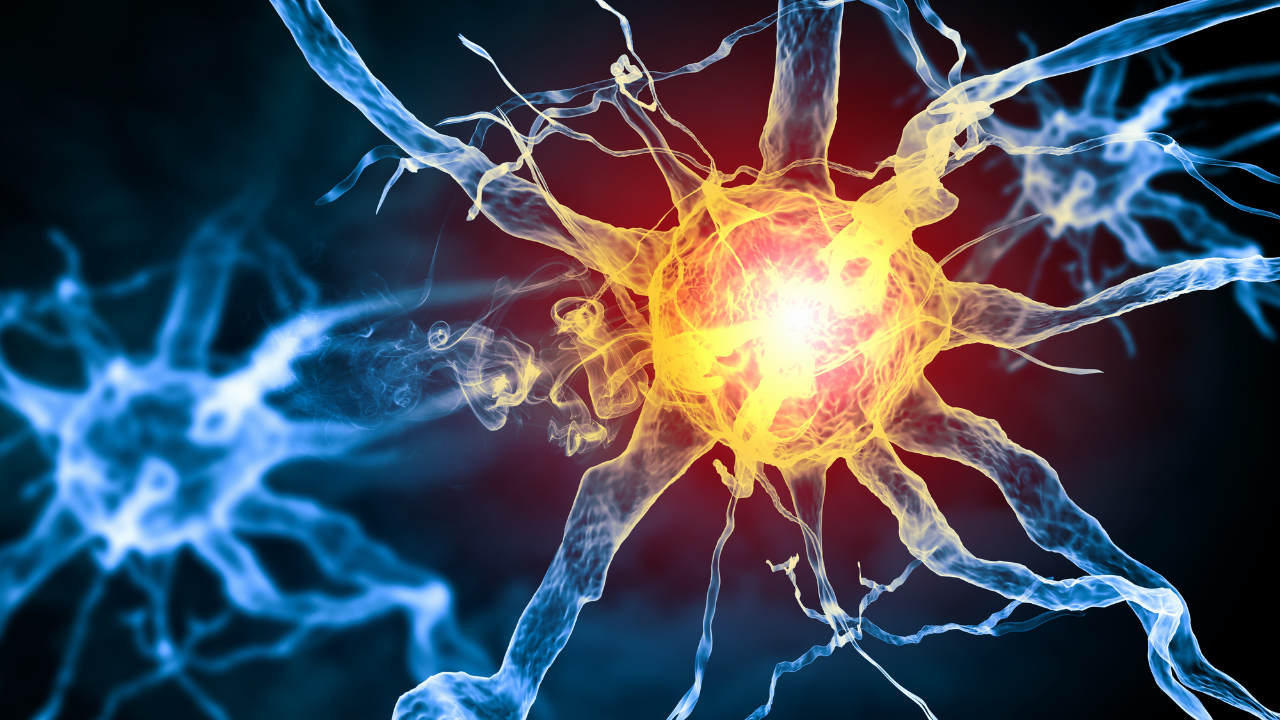
Vagal Tone: Physiology and Evidence-Based Strategies for Enhancing Parasympathetic Regulation
By Natascha Marler, NMD, LMT
The Essentials:
- The vagus nerve is a key driver of the “rest and digest” branch of your nervous system, helping your body recover after stress.
- When it works well, you feel more relaxed, think more clearly, digest better, and recover faster from challenges.
The best part: vagal tone is trainable and responds to simple, consistent care.
Understanding the Mechanism:
The vagus nerve plays a central role in autonomic regulation, linking the brainstem with the heart, lungs, digestive tract, and immune system. “Vagal tone” refers to the level of baseline parasympathetic activity mediated through the vagus nerve, often assessed through heart-rate variability (HRV). Higher vagal tone is associated with improved emotional regulation, digestive function, cardiovascular flexibility, and overall stress resiliency. Research suggests that vagal tone can be influenced through breathing, sensory input, movement, and somatic practices, offering an accessible pathway to support whole-body wellness.
Physiology of Vagal Tone
The vagus nerve comprises approximately 80% afferent fibers, meaning most of its signaling travels from the body to the brain. Vagal activation slows heart rate, enhances gastrointestinal motility, modulates inflammatory signaling, and improves mood and psychological flexibility.
Heart-Rate Variability (HRV) is the most widely used noninvasive measure of vagal tone. Increased HRV reflects a more adaptive autonomic nervous system capable of shifting between sympathetic and parasympathetic states. Low HRV is associated with anxiety, cardiovascular disease, inflammatory disorders, and metabolic dysfunction.
Breathing mechanics are particularly influential: diaphragmatic descent during inhalation and slow, controlled exhalation stimulate baroreceptors and pulmonary stretch receptors that activate vagal pathways.
The nervous system is remarkably adaptable. When we consistently offer signals of safety through breath, sound, touch, and awareness, the body begins to shift toward greater resilience. Small daily practices, repeated over time, create meaningful physiological change.
References
- Kautzner J, Camm AJ. Clinical relevance of heart rate variability. Clin Cardiol. 1997;20(2):162-168. doi:10.1002/clc.4960200214 https://pubmed.ncbi.nlm.nih.gov/9034646/
- Pham T, Lau ZJ, Chen SHA, Makowski D. Heart Rate Variability in Psychology: A Review of HRV Indices and an Analysis Tutorial. Sensors (Basel). 2021;21(12):3998. Published 2021 Jun 9. doi:10.3390/s21123998 https://pmc.ncbi.nlm.nih.gov/articles/PMC8230044/
Evidence-Supported Methods for Increasing Vagal Tone
By Natascha Marler, NMD, LMT
These practices are noninvasive, accessible, and can easily be incorporated into daily routines without specialized equipment.

1. Slow, Controlled Breathing
Slow breathing at 4–6 breaths per minute increases HRV, enhances parasympathetic activity, and downregulates stress physiology. Extended exhalations (longer than inhalations) further enhance vagal activation.
Technique:
- Inhale through the nose for 4 seconds.
- Hold for 4 seconds.
- Exhale through the mouth for 6 seconds.
- Continue for 2–5 minutes.
How the Breath Signals Safety: Slow breathing improves autonomic balance and reduces markers of anxiety and physiological arousal.
2. Cold Stimulation
Cold exposure of the face or neck activates the trigeminal and glossopharyngeal pathways, triggering the mammalian dive reflex and increasing vagal efferent output.
Individuals with cardiovascular conditions should consult a healthcare provider before using intense cold exposure.
Technique:
- Splash cold water on the face.
- Apply an ice pack to the back of the neck.
- Briefly immerse the face in cold water.
How Cold Triggers Regulation: Cold exposure activates cranial nerve pathways that increase parasympathetic output.
3. Vocalization (Humming or Singing)
Vocal cord vibration stimulates branches of the vagus nerve and may enhance HRV.
Technique:
- Hum gently for 5 minutes.
- Sing continuously for several minutes.
How Sound Soothes the Nervous System: Rhythmic vibration in the throat stimulates vagal pathways and has been associated with improved HRV and reduced stress markers.
4. Somatic Touch (Cross-Body Hug)
Gentle self-embrace stimulates interoceptive awareness and provides grounding input to the autonomic nervous system.
Technique:
- Wrap the right arm over the left shoulder and the left arm over the right.
- Hold or gently stroke arms for 20–30 seconds.
Why Gentle Touch Calms the Body:
Grounding touch supports parasympathetic activation and improves emotional regulation.
5. Orienting Practice
Trauma-informed orienting calms the nervous system by using visual and sensory cues to signal safety.
Technique:
- Slowly look around the room.
- Allow the gaze to rest on a few objects.
- Notice shape, color, texture.
- Breathe slowly during the process.
Signaling Safety Through the Senses: Orienting reduces autonomic arousal by reinforcing cues of safety.
Recommended Frequency
Vagal toning is most effective when practiced daily. Repetition creates measurable improvements in HRV and emotional resilience.
Putting It Into Practice:
- 2–3 practices incorporated into morning or evening routines
- Pre-meal practice to support digestive function
- Between appointments or meetings for stress modulation
- Evening practice to promote deeper rest
References
- Zaccaro A, Piarulli A, Laurino M, et al. How breath-control can change your life: A systematic review on psychophysiological correlates of slow breathing. Front Hum Neurosci. 2018;13:425. doi:10.3389/fnhum.2019.00284 https://www.frontiersin.org/journals/human-neuroscience/articles/10.3389/fnhum.2018.00353/full
- Jdidi H, Dugué B, de Bisschop C, Dupuy O, Douzi W. The effects of cold exposure (cold water immersion, whole- and partial- body cryostimulation) on cardiovascular and cardiac autonomic control responses in healthy individuals: A systematic review, meta-analysis and meta-regression. J Therm Biol. 2024;121:103857. doi:10.1016/j.jtherbio.2024.103857 https://pubmed.ncbi.nlm.nih.gov/38663342/
- Pandharipande P, et al. Effect of humming on heart rate variability: A randomized controlled study. Integr Med Res. 2023;12(2):100934. https://www.sciencedirect.com/science/article/abs/pii/S1550830720301166?via%3Dihub
- Fancourt D, Williamon A, Carvalho LA, Steptoe A, Dow R, Lewis I. Singing modulates mood, stress, cortisol, cytokine and neuropeptide activity in cancer patients and carers. Ecancermedicalscience. 2016;10:631. Published 2016 Apr 5. doi:10.3332/ecancer.2016.631 https://pmc.ncbi.nlm.nih.gov/articles/PMC4854222/
About the Author
Natascha Marler, ND, LMT, is a licensed naturopathic physician and licensed massage therapist, as well as a longtime yoga and meditation teacher, dedicated to holistic healing rooted in nature and supported by science. She specializes in women’s health, metabolic and digestive wellness, and integrative mind-body therapies, blending botanical medicine, acupuncture, and somatic approaches to help patients restore nervous system balance, resolve chronic patterns, and cultivate lasting vitality.